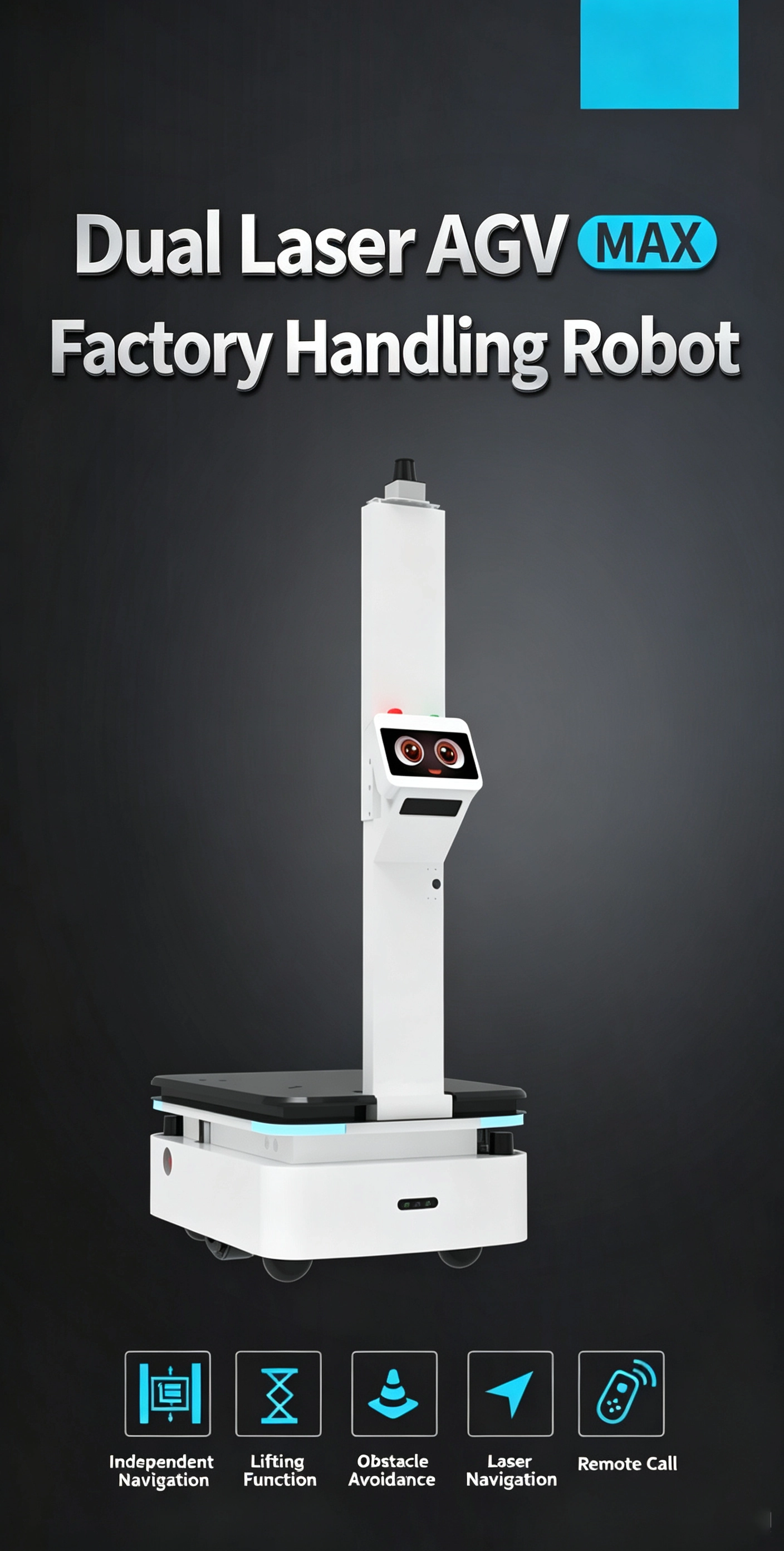
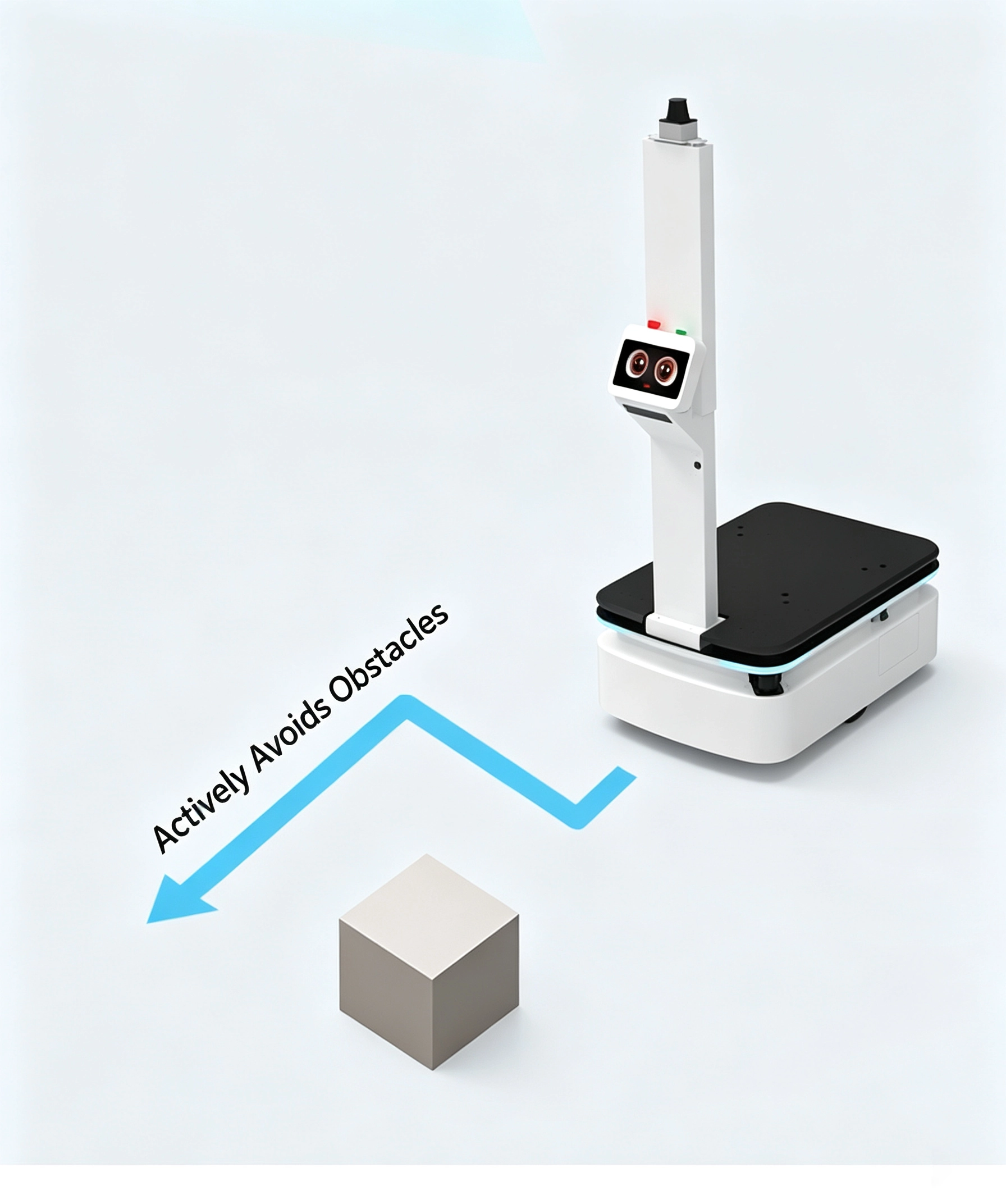
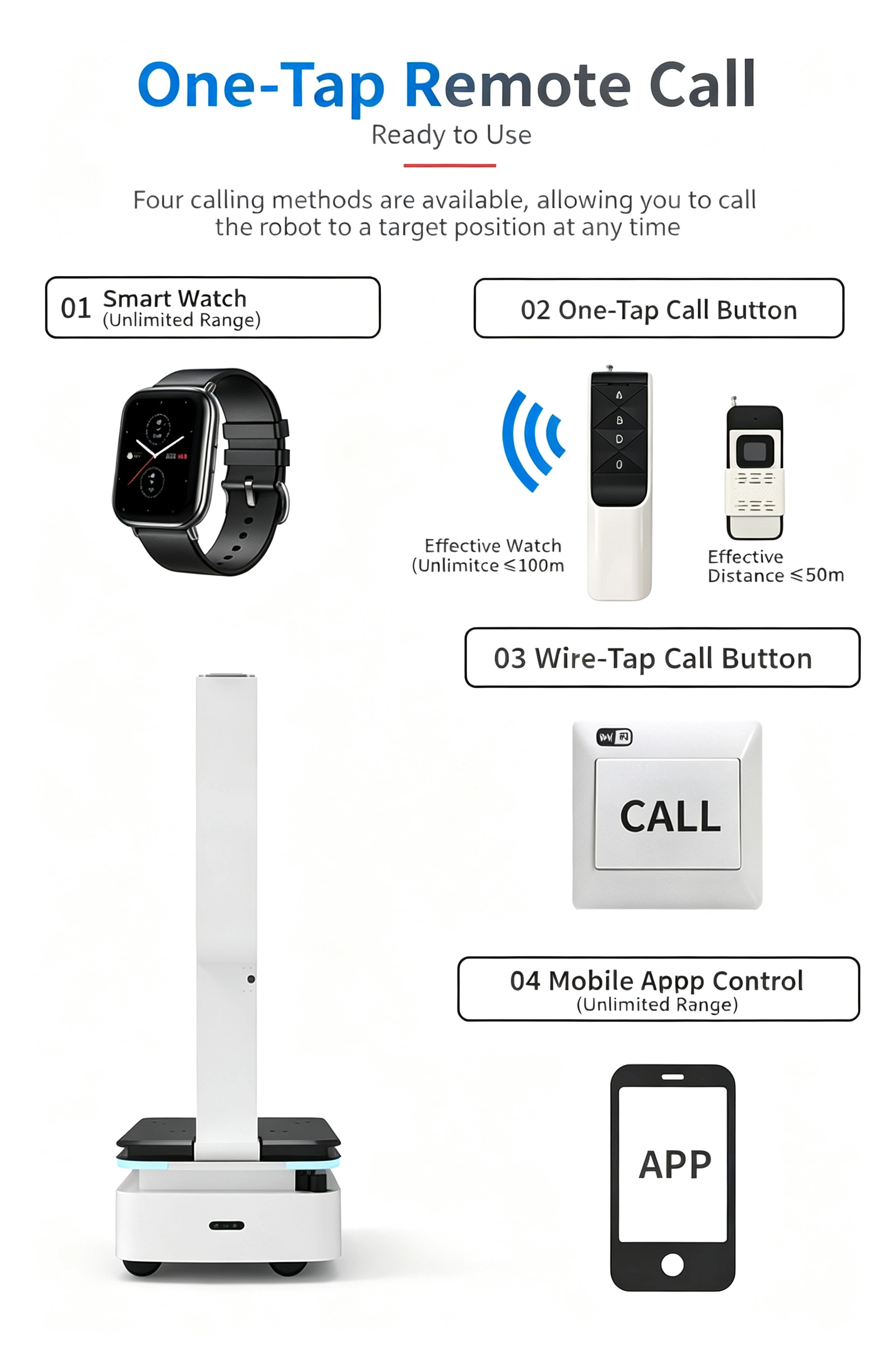
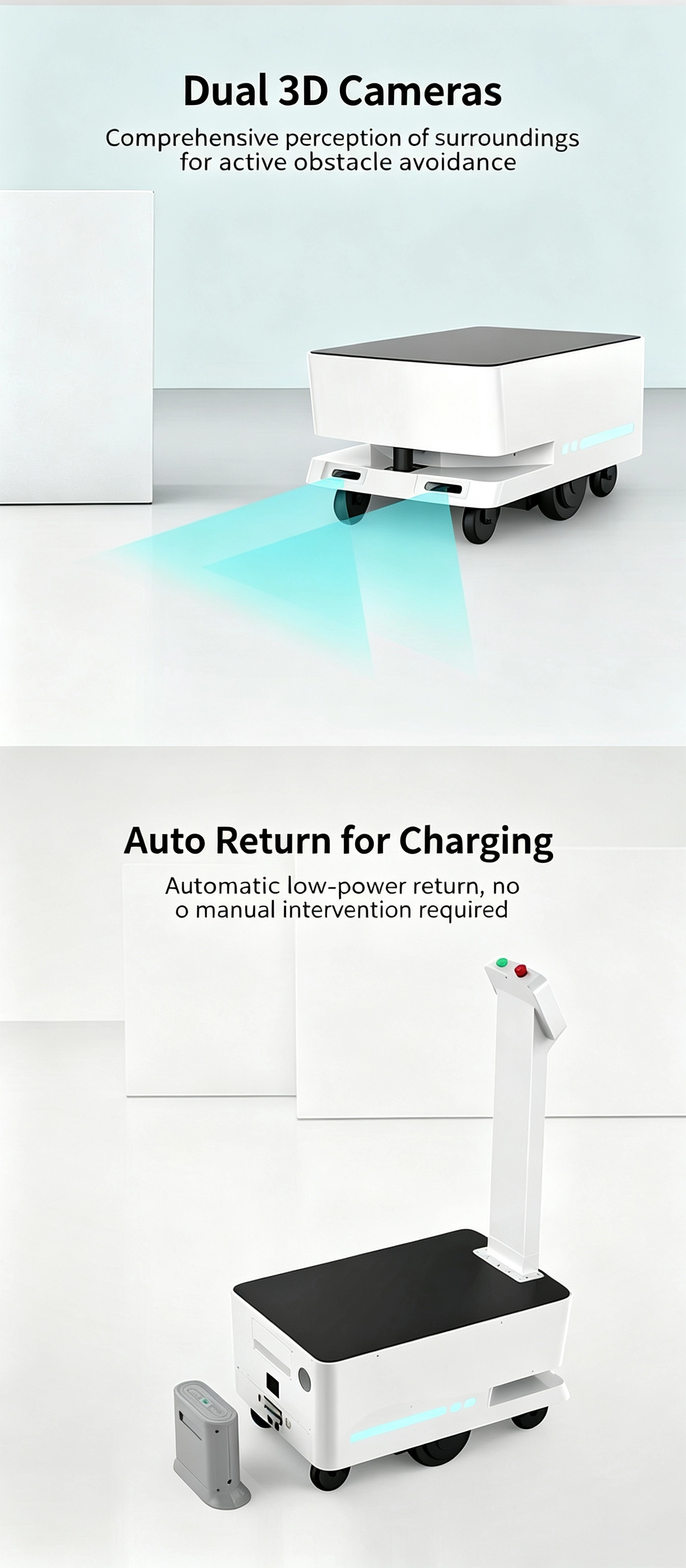
Moving goods between floors can involve repeated trips between storage areas, production lines and dispatch points. For businesses considering autonomous material handling, a practical question is: can an autonomous mobile robot use the existing elevator?
For suitable configurations, the answer is yes. BSI transport robots can be equipped with elevator-use functionality. However, compatibility between the elevator and the robot’s elevator control module must be assessed before a solution is confirmed.
How AMR Elevator Integration Works
Multi-floor AMR transport requires coordination between the robot, the elevator and the transport task.
A proposed workflow may involve the robot approaching a designated waiting point, requesting elevator access, entering when the required conditions are met, traveling to the destination floor and continuing to the delivery point.
The exact sequence depends on the elevator interface, robot configuration and site requirements. Elevator access, door operation and movement permissions must be coordinated through an approved integration arrangement.
Can an AMR Use Your Existing Elevator?
An existing elevator should not be assumed compatible simply because the robot fits inside it.
BSI first needs to assess whether the elevator can work with the proposed elevator control module. Customers are asked to complete an elevator control information collection form so that engineers can review the available information and identify any further requirements.
Depending on the installation, assessment may also require input from the elevator manufacturer, maintenance provider or building management team. Any necessary modifications and permissions should be confirmed before implementation.
What Information Is Needed for Assessment?
To begin the review, prepare the available elevator and site information, including:
-Elevator manufacturer, model and control system details.
-Available control interfaces and relevant technical documents.
-Floors to be served and the intended transport route.
-Elevator door opening, cabin dimensions and rated capacity.
-Robot dimensions, total loaded weight and cargo characteristics.
-Elevator usage patterns, access restrictions and site contact details.
BSI’s engineers can advise whether additional information is needed after reviewing the completed collection form.
Physical Fit Is Only Part of the Review
The robot and its load need sufficient space to enter, position themselves and exit the elevator. The assessment should consider the complete loaded footprint, door clearance, turning space and the transition between the landing and elevator cabin.
The combined weight of the robot and cargo must also remain within the elevator’s permitted capacity.
Approach areas and delivery points matter as well. A suitable cabin alone does not establish that the complete route can support autonomous transport.
Plan for Shared Access and Interrupted Tasks
Where an elevator is shared with people or other equipment, operating rules need to be defined as part of the project.
The integration review should address waiting behavior, entry and exit conditions, access priority and responses to unavailable elevators or interrupted communication. Recovery procedures and circumstances requiring operator assistance should also be agreed.
These requirements help define the scope of integration and the tests needed before routine operation.
Match Multi-Floor Transport to the Actual Workflow
Elevator-enabled AMRs may be considered for recurring transport between storage, production, assembly and packing areas on different floors.
Their suitability depends on more than navigation capability. Elevator waiting times, loading and unloading arrangements, task frequency and charging schedules all affect the proposed workflow.
For an initial project, defining a specific route and representative load provides a clearer basis for assessment. A pilot can then measure task completion time, elevator waiting time, manual intervention and delivery consistency under agreed conditions.
Discuss Your AMR Elevator Integration Project with BSI
BSI supports inquiries for logistics transport robots and can assess elevator-use functionality for suitable configurations.
To start, share your transport task, payload, floors to be connected and available elevator details. Request the elevator control information collection form so that our engineers can review compatibility with the proposed control module.
The integration scope, installation responsibilities, testing arrangements and acceptance criteria should be confirmed before deployment.
Planning to move goods between floors?
Contact BSI to discuss your AMR transport requirements and request an elevator compatibility assessment.